 |
| Tina Modotti |
Monday, March 13, 2017

Wednesday, March 1, 2017
Photographer: W. Eugene Smith
 |
"A Walk to Paradise" - W. Eugene SmithWilliam Eugene Smith (December 30, 1918 – October 15, 1978), was an American photojournalist, renowned for the dedication he devoted to his projects and his uncompromising professional and ethical standards. Smith developed the photo essay into a sophisticated visual form. His most famous studies included brutally vivid World War II photographs, the clinic of Dr Schweitzer in French Equatorial Africa, the city of Pittsburgh, the dedication of an American country doctor and a nurse midwife, and the pollution which damaged the health of the residents of Minamata in Japan.Video #1Students do a daily "Bell Work" activity analyzing a significant Photographer or historical photo. They must make written comments about the composition, contrast, focus, balance, framing and statements each photo is making. This is our daily warm up exercise. |
Monday, February 27, 2017
Flash Photo Project: Photo Manipulation
 |
Jeison Munguia - Edison Tech Photo Student |
Essential question:
How can I use the apps in my phone to create an interesting and unique piece of art using photographs I take with my phone?
Video #1
This is a one week assignment with an in class photo critique inspired by the Mobile Photo Awards. You will take photos using your phone that you must manipulate heavily with several of your phone's apps. You must post your best photo to your blog AND write a reflection! Your photo MUST be posted to your blog in order to receive full credit plus the reflection!
Project Requirements:
1). Post to your blog, one quality edited photograph that is manipulated heavily using several of your phone's photo/art editing apps.
2). Photos are to be taken by you using the settings and filters in your cell phone or camera.
3). Photo should fit all criteria of good photography discussed up this point. (ie. composition, defined vantage & focal points; proper lighting & contrast; interesting angles; clear subjects in focus; a sense of narrative that tells a story; backgrounds that adds to, rather than detract from, the subject of the photo)
4). You must write a reflection in the same blog post as the final edited photo.
Use the Rule of Thirds to help with the overall composition.
Students must post their results to their blogs to get credit and a grade for this assignment.
Photographer: Richard Avedon
 |
| Ronald Fischer, beekeeper, Davis, California, May 9, 1981, 1981, printed 1985 - Richard Avedon |
Richard Avedon (May 15, 1923 – October 1, 2004) was an American fashion and portrait photographer. An obituary published in The New York Times said that "his fashion and portrait photographs helped define America's image of style, beauty and culture for the last half-century".[1] - wikipedia
Video #1
Students do a daily "Bell Work" activity analyzing a significant Photographer or historical photo. They must make written comments about the composition, contrast, focus, balance, framing and statements each photo is making. This is our daily warm up exercise.
Tuesday, February 7, 2017
My Rochester : Portraits
Essential questions:
How can I use the composition elements of: Line, Space, Shape, Shadow, Setting & Context to create interesting portrait photographs with good contrast and composition about individuals in Rochester?
How can I capture on film the natures and personalities of my subjects in a way that my viewers can understand and relate to?
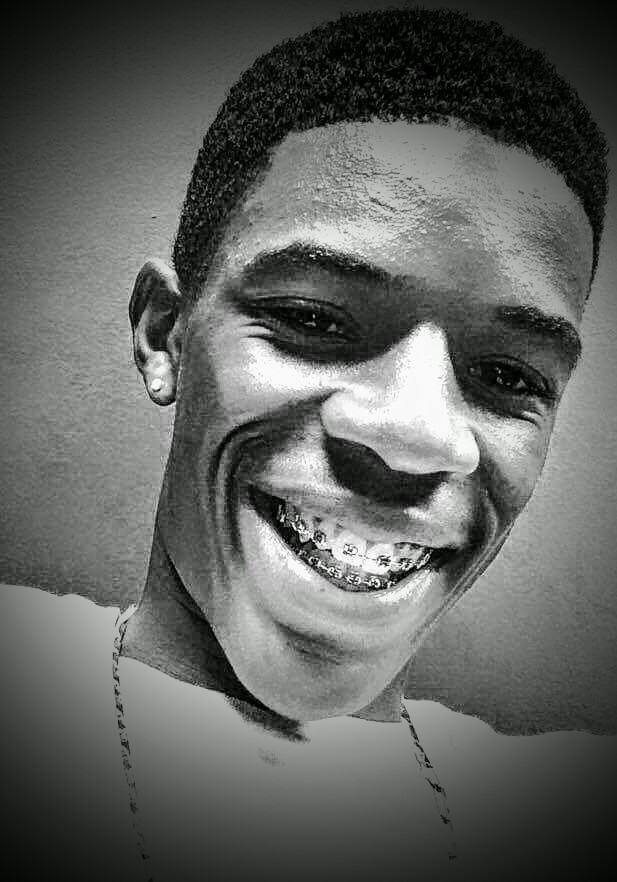
You will take photos, trying to capture, Portrait Photography in interesting ways in black and white. You must post your best photos to your blog AND write a 250 word reflection following the instructions on the class blog post and you must have at least 12 photo examples of Portraits posted to your blog in order to receive full credit plus the reflection!
Also, include a few sentences describing what you learned from this exercise about Portraits & Illustration in photography and how you were influenced by Martin Munkacsi and Richard Avadon's photographic portrait work.
Project Requirements:
1). 12-15 quality, edited (if necessary) photographs of Portrait Photography of unique individuals united by the theme “My Rochester”.
2). Photos are to be black & white using the settings and filters in your cell phone or camera.
3). Photos should fit all criteria of good photography discussed up this point. (ie. composition, defined vantage & focal points; proper lighting & contrast; interesting angles; clear subjects in focus; a sense of narrative that tells a story; backgrounds that adds to, rather than detract from, the subject of the photo)
4). 250 word artist statement in the same blog post as the final 12 edited photos
Use the Rule of Thirds to help with the overall composition.
Students must post their results to their your blogs to get credit and a grade for this assignment.
Monday, February 6, 2017
Photographer: Martin Munkacsi
 |
Martin Munkacsi - Three Boys at Lake TanganyikaVideo
Martin Munkácsi was a newspaper writer and photographer in Hungary, specializing in sports. At the time, sports action photography could only be done in bright light outdoors. Munkácsi's innovation was to make sports photographs as meticulously composed action photographs, which required both artistic and technical skill. (continue...)
Students do a daily "Bell Work" activity analyzing a significant Photographer or historical photo. They must make written comments about the composition, contrast, focus, balance, framing and statements each photo is making. This is our daily warm up exercise. |
Monday, January 30, 2017
Daily Photos #25
 |
Falling Soldier - Robert Capa
|
Mr. Capa says that the “Falling Soldier” photo — taken in Andalusia — came while he was in the trenches with 20 green Republican soldiers with old rifles “who were dying every minute” as they faced a Fascist machine gun. He recounted that there were several bloody but unsuccessful attempts by the Republican soldiers to rush the machine gun nest.
 David Scherman Robert Capa in Weymouth, England, the day after he swam up on Omaha Beach with American troops during the invasion of Normandy. June 7, 1944.
“So the fourth time I just kind of put my camera above my head and even didn’t look and clicked a picture when he moved over the trench and that was all,” he said. “I never looked at my pictures there. And I sent my pictures back with lots of other pictures that I took. I stayed in Spain for three months and when I came back, I was a very famous photographer because that camera which I hold above my head just caught a man at the moment when he was shot.“
Subscribe to:
Posts (Atom)